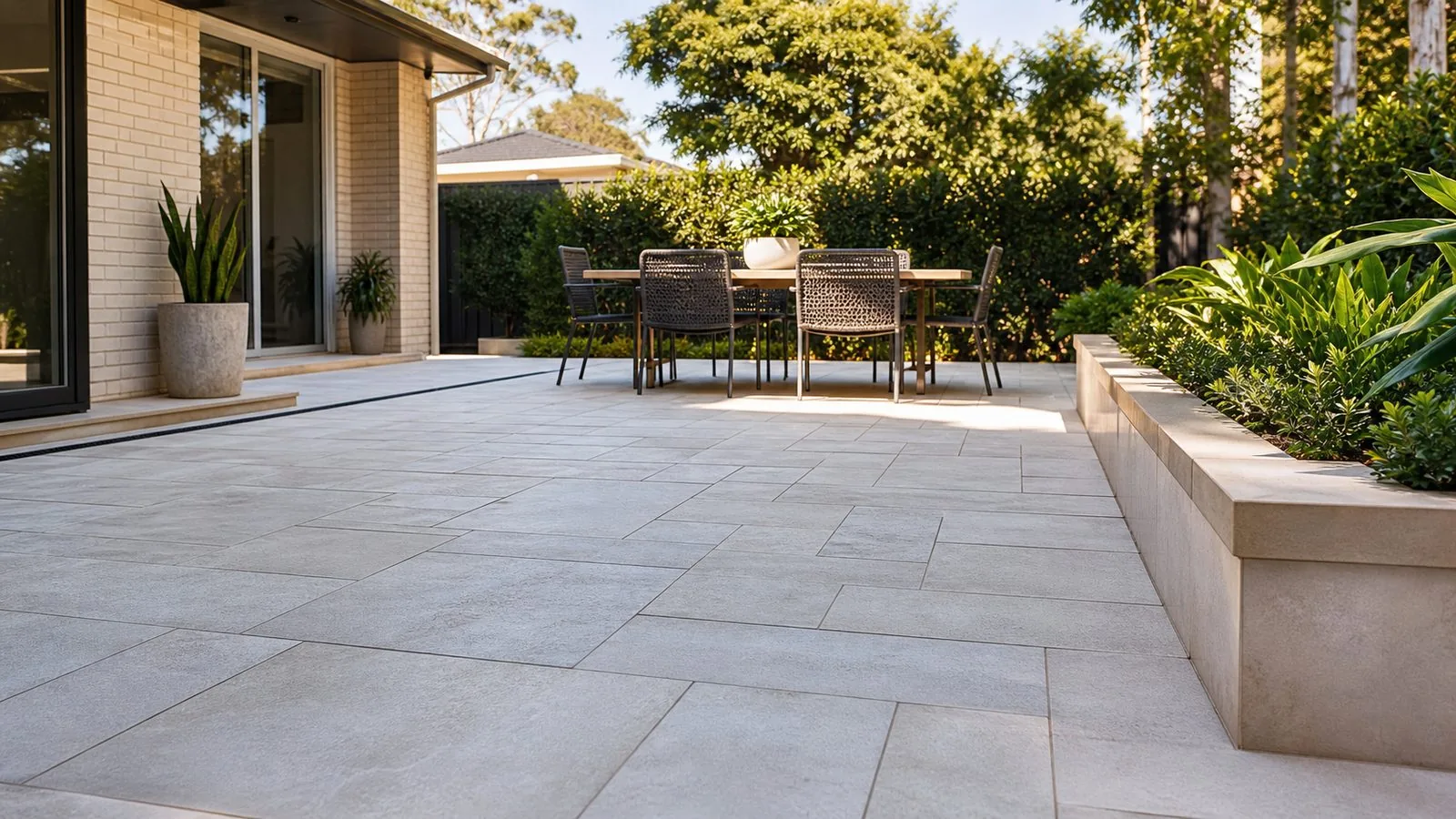
A house wash for appearance and preparation for repainting are not the same specification. Before booking the wash, ask the painter what condition the chosen coating needs underneath it. Cleaning may remove dirt, but the painter may still need to address loose paint, chalking, repairs and priming. A clear handover avoids paying twice for preparation or painting over a surface that only looks ready while it is wet.
Ask the painter to define the endpoint first
Tell the painter which surfaces you intend to coat: weatherboards, render, masonry, posts, trims or another material. Ask them to identify the proposed paint system and its preparation requirements. Then give those requirements to the cleaner. This sequence is more reliable than booking a general exterior wash and asking afterwards whether it counts as paint preparation. A cleaning contractor cannot reasonably infer an unknown coating system from the colour you want.
Agree who will inspect the dry substrate before painting begins. That person needs authority to request further preparation if chalk, loose material or other contamination remains. Put the inspection between cleaning and coating in the schedule. If two businesses are involved, share the same written scope with both rather than relaying a short verbal description such as wash it thoroughly. Small wording differences can leave a gap between their responsibilities.
Be specific about the desired finished work. Washing walls while leaving old coating failure around window trims may be adequate for a cosmetic clean but incomplete for a repaint. List the trims and edges the painter needs prepared so the quote covers the actual surfaces being coated, not just the most visible wall areas.
Record coating condition before water hides it
Photograph the walls dry, including sheltered and exposed sides. Note peeling edges, blisters, powdery-looking areas, staining and previous patch repairs. Do not scrape suspect coatings yourself to identify them. If there is uncertainty about older paint or building materials, tell the painter before any abrasive or high-pressure preparation is considered. Product and material identification belongs ahead of disturbing an unknown surface.
Look at where different materials meet. Window frames, sealant joints, vents and lower wall edges can be more vulnerable than the broad middle of a wall. Tell the cleaner about known leaks, loose trims or damaged seals. A wash can make those weaknesses more obvious, but it is not a repair. If there is an opening that could admit water, agree whether it needs attention before the cleaning stage.
Keep the observations neutral: white residue on a cloth, loose film at a corner or a brown streak below a fitting. The contractor can then assess the cause without being steered by a guess. A useful record describes what you can see and where it occurs, and includes any known history of repairs or repainting.
Chalking needs a dry check
Dulux describes chalking as fine powder forming on a paint film as it weathers. Its guidance calls for removal of chalk residue, rinsing and checking again once the surface has dried. Remaining chalk affects the next preparation decision. This is why a wall that looks evenly coloured immediately after washing has not yet passed a useful paint-readiness check.
Ask the painter how they will assess the dry surface and decide whether further cleaning or an appropriate primer is required. Do not select a primer merely from the word chalking in an online article. The substrate, existing paint and proposed coating system still matter. The manufacturer guidance should inform the painter's specification rather than replace an assessment of your house.
If the cleaner finds a heavily degraded film, agree when they should stop and refer back to the painter. Repeatedly washing an unstable coating may not produce the substrate required for the next stage. A clear stopping rule also helps manage debris and water around the property. The objective is a suitable prepared surface, not an impressive volume of old material removed during the wash.
| What you notice | Useful next step | Avoid |
|---|---|---|
| Dirt on an otherwise sound finish | Agree compatible cleaning and a dry inspection | Calling the surface paint-ready while wet |
| Powdery or degraded coating | Ask painter to specify preparation and primer decisions | Choosing a generic primer without assessment |
| Loose paint, damaged joints or leaks | Resolve preparation and repair ownership first | Expecting a wash to repair the substrate |
Use a test area that includes a difficult detail
A useful test can include a representative wall section and a relevant edge or trim, provided the contractor judges that safe. Photograph it before work and inspect it dry afterwards with the painter's requirements in mind. Did the intended contamination come off? Is the remaining coating sound enough for the next stage? Are there new streaks or exposed areas that change the preparation scope? These questions matter more than the immediate colour lift.
Agree what happens if cleaning reveals more deterioration than expected. The painter may need to revise the repair or preparation plan. Ask for that decision before the whole house is treated in a way that assumes the original scope still applies. A test stage is most useful when it can actually change the plan, rather than serving only as a demonstration after everything has already been agreed.
Include nearby finishes in the review. A wall treatment can splash onto paving, timber boards and metal fittings. Check those surfaces after the test as well. If the deck is due for its own maintenance, coordinate the sequence so residue from the walls does not land on a freshly finished surface. Separate jobs can still require one sensible work order.
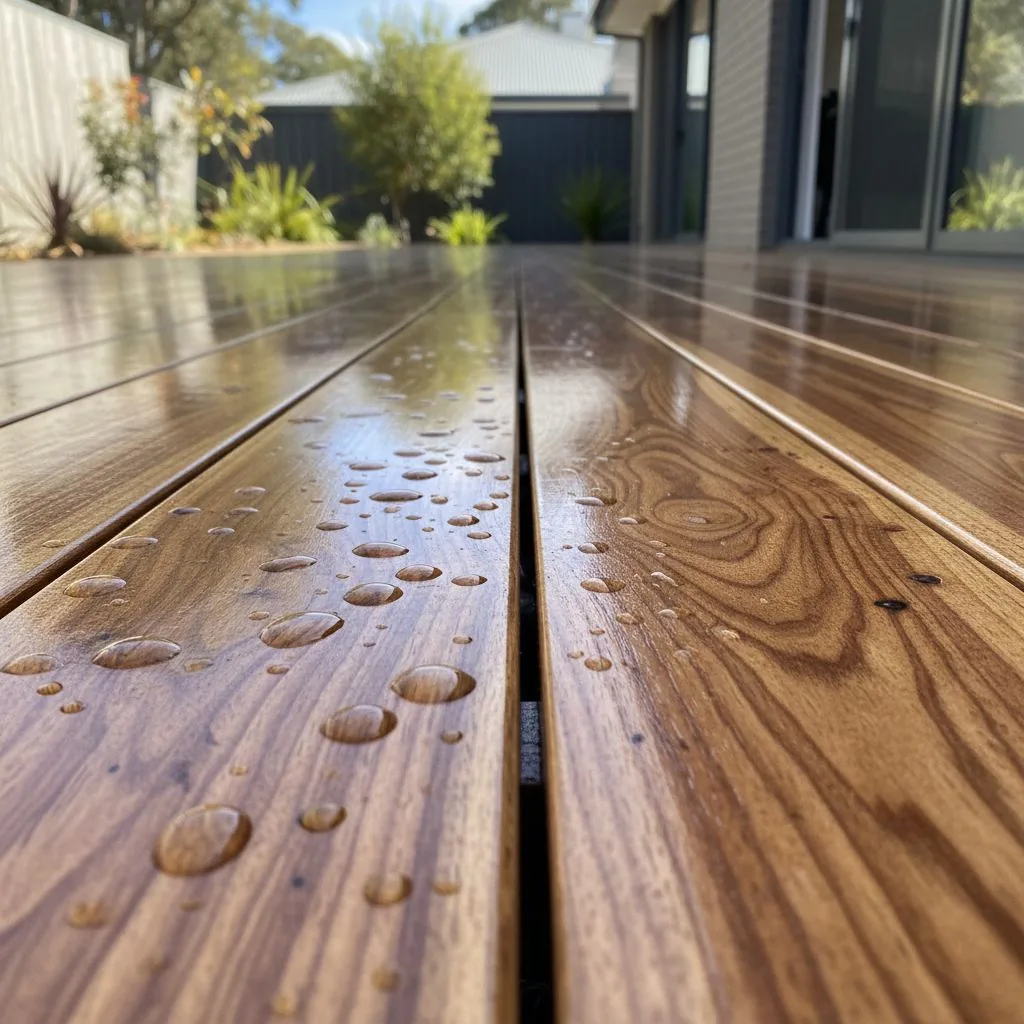
Schedule for inspection and drying, not a guessed interval
Do not assume that every wall is ready to paint the morning after washing. The material, exposure, weather and chosen coating requirements affect the decision. A shaded side of a Pakenham house can behave differently from a sunlit wall at the same property. Ask the painter how dryness will be assessed and what conditions would postpone coating. The schedule needs room for that assessment rather than a fixed promise copied from another job.
Plan around the entire work sequence: protection, cleaning, dry inspection, repairs, preparation and coating. Some repairs may belong before cleaning, while others become apparent afterwards. The painter should explain that sequence for your house. Put provisional dates against stages rather than treating the wash as an isolated appointment with no connection to the rest of the project.
If the paint start is delayed, ask whether the surface needs another check for dirt or other contamination before work resumes. An earlier clean does not guarantee that an exposed wall remains ready indefinitely. This is especially relevant when nearby garden work or other trades are active. Keep the handover current with what actually happened between cleaning and painting.
Write a handover both trades can use
The cleaning scope should list surfaces, access arrangements, the intended method and any product used. It should also state what is excluded, such as removing failed coatings, repairing cracks or preparing high areas requiring separate access. The painter's scope should pick up the remaining preparation explicitly. Avoid leaving a task between them because each quote uses the same broad phrase, exterior preparation, with a different meaning.
At handover, keep photographs of the dry walls and notes about areas needing further work. Record the cleaning product name and any unusual findings, including places where the coating lifted or where water entry was suspected. The painter can use this information when checking compatibility and deciding the next stage. A simple written record is more useful than a reassuring text that says the house is all done.
Agree who contacts you if the plan changes and who approves any extra work. A surface that looked sound from the ground may reveal a problem during closer inspection. That does not justify quietly expanding the cleaning process. It calls for a specific explanation of the finding, the proposed response and its effect on the painting sequence.
Hypothetical example: repainting a weatherboard wall beside a deck
Imagine a Pakenham homeowner repainting a weatherboard wall that opens onto timber decking. The wall looks dusty from a distance, but dry photographs show loose paint near a window and a powdery patch on an exposed board. The owner asks the painter for preparation requirements before booking the cleaner. The brief now includes the window detail, deck protection and a dry inspection after washing.
The painter identifies repair and preparation tasks that ordinary washing will not cover. The cleaner tests a sound area using a compatible method and protects the adjoining boards. Once dry, the wall is checked against the agreed endpoint. Any remaining coating issues go back to the painter rather than being treated with stronger washing simply to make the surface look uniform.
The owner schedules deck maintenance after the wall work so it is not spoiled by later preparation debris. They retain the cleaning product name and the dry inspection photographs. This coordinated sequence avoids two common problems: painting over an inadequately prepared surface and paying for the deck to be cleaned again because the wall work came afterwards.
Avoid the shortcuts that create a second preparation job
Do not ask a cleaner to remove every trace of old paint without a preparation specification. Do not promise the painter a ready surface based only on a wet photograph. Do not conceal persistent chalk or loose edges with a coating selected without advice. Each shortcut removes an inspection point that could have clarified the correct next step before more work was committed.
A useful enquiry states the substrate, the intended coating if selected, the areas being painted and the contractor who will inspect them dry. Include access constraints and adjoining surfaces such as paving or decking. If the painter has not yet been chosen, request an assessment and explain that the preparation endpoint is still undecided. That is clearer than pretending a general wash specification answers a coating question.
Use the brief builder below to record the outstanding decisions. Download it and share the same notes with both trades. Before booking, confirm that someone owns the dry inspection, remaining repairs and final preparation. Once those responsibilities are clear, cleaning can fit into a practical painting plan with fewer assumptions about what the next person will find when they arrive.