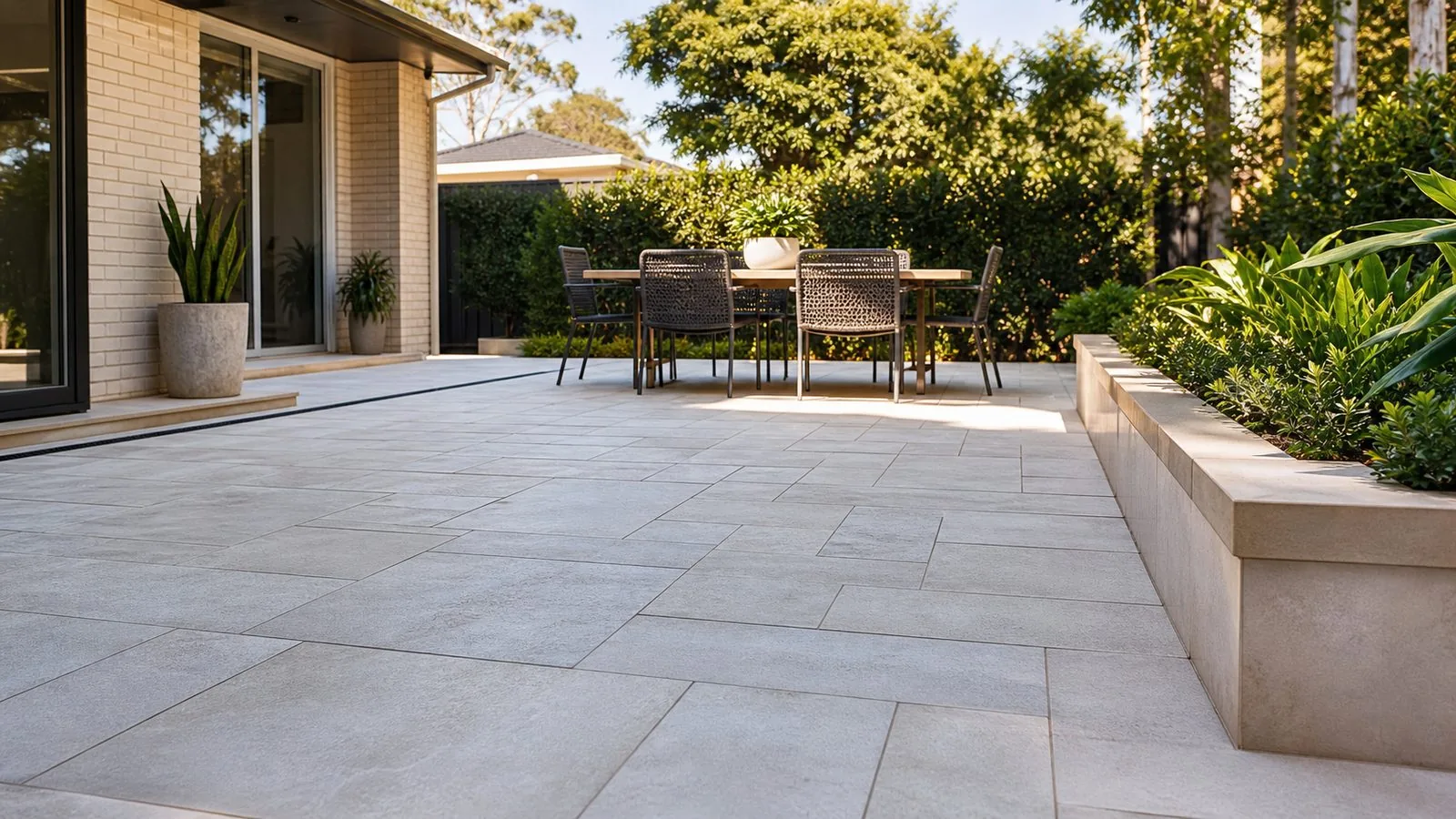
A driveway can look tired for several different reasons. Dirt sits on top of a surface. A worn finish is part of the surface. Cracking or settlement involves the driveway itself. Those distinctions decide whether washing is worthwhile, whether a coating specialist should inspect it first, and what an acceptable result looks like. Start with a dry inspection and a small agreed test area rather than choosing the most dramatic before and after photograph.
Read the surface before naming the job
Walk around the driveway when it is dry and well lit. Compare the main wheel tracks, the sheltered strip near the garage and the edges beside the garden. Record whether the colour difference follows vehicle traffic, shade, water movement or a previous coating boundary. A dark patch that follows a damp edge poses a different question from a pale strip where cars turn. Photographs taken straight down and along the surface help show both colour and texture.
Look closely without scraping or probing. Are stones firmly held? Is there a film lifting at the edges? Do cracks have a height difference across them? Has a panel dropped beside a drain? Cleaning does not answer those questions by itself. If the driveway is breaking up or moving, ask for an assessment of the concrete or paving before anyone treats the problem as dirt. Avoid testing a loose edge with a concentrated jet.
Write down the finish you believe you have, including any old invoice for sealing or resurfacing. Plain concrete, exposed aggregate, a coloured coating and individual pavers require different decisions. If the finish is unknown, say so in the enquiry. Guessing from colour alone can lead to choosing a cleaner that changes the appearance of an existing coating.
What each option actually changes
Cleaning aims to remove unwanted material while retaining the underlying finish. It can reveal colour and texture that grime has hidden, but it does not add missing cement paste, level a settled slab or replace failed paint. A successful clean can therefore leave a driveway visibly aged. That is a reasonable outcome when the original finish remains serviceable and the main problem was accumulated dirt.
Resealing concerns the protective or decorative treatment already on the surface. The existing product, its condition and compatibility with a proposed replacement matter. Resurfacing is a different scope that introduces a new finish over a prepared base. Neither should be treated as an automatic upgrade at the end of a wash. Ask the coating contractor what preparation they require before booking another business to clean it.
Repair or replacement belongs earlier in the conversation when there is movement, loose material or a level problem. You can still clean sound areas later, but an attractive coating should not distract from the reason the driveway is failing. Compare quotes by the problem each contractor proposes to solve, not simply the size of the area they will work on.
| What you notice | Useful next step | Avoid |
|---|---|---|
| Firm surface with dirt in texture | Agree a cleaning test area | Expecting cracks to disappear |
| Film lifting or colour wearing away | Identify coating and ask a coating specialist | Sealing over unidentified loose material |
| Uneven panels or loose stones | Arrange repair assessment first | Using more pressure to make it uniform |
Make the test patch answer a useful question
A test area should represent the problem and include enough surrounding surface to make comparison possible. An easy clean corner under a pot may not tell you much about wheel tracks. Ask the cleaner to choose an inconspicuous area that includes the relevant finish, then agree what will be photographed before and after. The purpose is to test improvement without accepting avoidable damage across the whole driveway.
Judge the area once dry. Wet concrete can look darker and more even than it will the following day, so a wet photograph is an incomplete acceptance test. Compare the texture as well as the colour. Fresh grooves, exposed patches, loose grit or obvious cleaning stripes are reasons to pause. More passes are not automatically the remedy for an uneven result, especially where the original finish is already inconsistent.
Ask what the remaining marks appear to be and what another treatment would involve. A stain can improve without disappearing. If achieving an even colour would require removing part of the finish, that is a different decision from ordinary cleaning. Keep the test photograph with the scope so both parties understand the realistic endpoint.
Exposed aggregate needs a texture check
On exposed aggregate, inspect the material between the stones rather than judging only how bright the stones look. Areas that shed grains under ordinary use, pockets around individual stones and ragged old repair edges deserve attention. A cleaner should account for those weak areas before selecting equipment. Do not assume that every exposed aggregate driveway can tolerate the same process just because the stones look similar.
A sealed aggregate surface can also have separate finish problems. Patchy sheen, pale areas or uneven darkening may relate to the coating rather than dirt. Record whether these features existed before the clean. A photograph at a low angle can show changes in sheen that a straight overhead photograph misses. Keep your own observations separate from a diagnosis until the product and surface have been inspected.
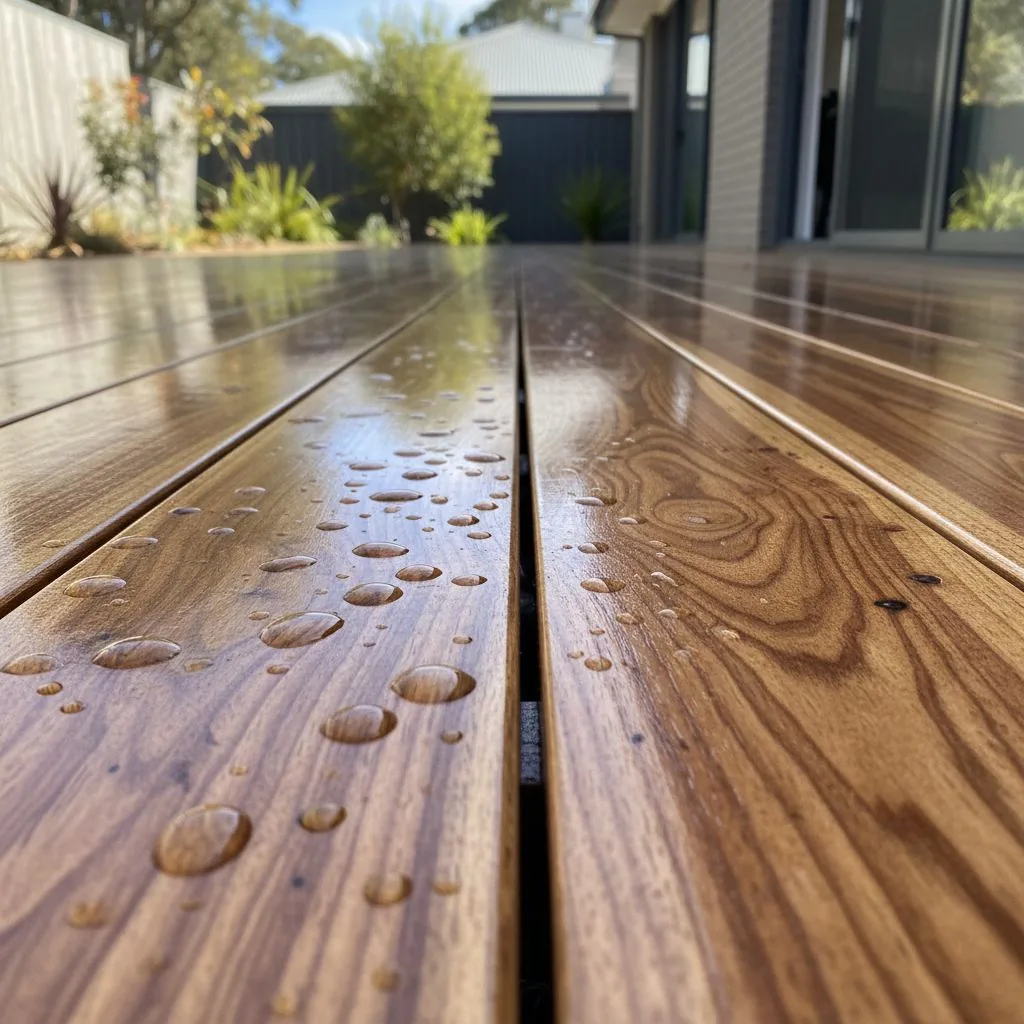
Where an aggregate driveway meets timber steps or a paved porch, treat those adjoining materials as separate work zones. The cleaner may need a different product or rinse method at that junction. Masking, runoff direction and protection of the adjoining finish should be discussed before work begins, rather than after overspray has left an obvious boundary.
Map the driveway you actually use
For a Pakenham home, the practical layout matters more than a suburb-wide assumption about dirt. Note the slope towards the garage, any grated drain, garden borders and the route used to wheel bins out. A broad driveway with a narrow side path may need two access arrangements. A shared crossover also needs coordination so a neighbour is not unexpectedly walking through equipment or wet residue.
Look at where parked vehicles normally sit. The section beneath a car may show oil or tyre marks while the turning area has a worn coating. Ask for those areas to be assessed separately. Calling the whole driveway dirty can hide different treatments within the same job. A useful sketch labels each zone and shows the outdoor tap, hose route and the place the car can remain while work is happening.
If you need the driveway for mobility access or deliveries, say that before accepting a date. Cleaning, coating and repairs can have different return-to-use requirements. Get the relevant instructions for the actual work in writing, including how the timing changes if the surface stays damp. Avoid planning essential access around an assumed same-day finish.
Compare scopes without buying the wrong result
Ask each contractor to separate inspection, cleaning, stain treatment, coating work and repairs. This makes a lower quote easier to interpret. One price may cover only a general wash while another includes a test area and targeted treatment. There is no need to choose a coating now if the evidence after cleaning will decide whether you need one. A staged scope can preserve that decision.
The written scope should identify excluded areas and marks expected to remain. Include the garage lip, driveway apron and adjoining path if you want them cleaned. Clarify whether moving heavy pots or cleaning behind stored items is included. Mark fragile edges on the photographs. These details are more useful than an unexplained promise to restore everything, because they describe the actual work that can be checked.
If resurfacing remains likely, ask the resurfacer to specify preparation first. A cosmetic wash carried out for appearance may not satisfy a later coating system. Equally, aggressive preparation intended for a new coating could leave an uncoated driveway looking worse. Decide whether you want a clean finished surface or a prepared substrate, and make sure the quote uses the same description.
Hypothetical example: grey wheel tracks and one low corner
Imagine a Pakenham driveway with grey traffic lanes, dark garden edges and a shallow low corner beside the garage. The owner wants it to look presentable without choosing a new colour. The first inspection records that most of the surface is firm, but water collects in the corner after rain. There are no assumptions yet about whether all three visual problems will respond to washing.
The owner requests a test across one traffic lane and a separate assessment of the low corner. Once the test dries, the garden dirt has improved but a pale strip remains where the old finish is worn. The sensible next decision is whether that appearance is acceptable. Repeated cleaning solely to match the pale strip could remove more material without solving the underlying difference.
The resulting brief separates a clean of sound areas from advice on the low corner and worn finish. The owner can choose to retain the aged appearance, seek a coating proposal, or address the level problem first. The useful outcome is knowing what each option achieves before committing to it, rather than discovering the distinction after the entire driveway has been treated.
Common mistakes and better responses
The first mistake is deciding from a wet demonstration alone. Request a dry comparison before making claims about colour restoration. The second is treating persistent marks as proof that more pressure is needed. Ask whether the mark is contamination, wear or a coating issue. If the answer is uncertain, pause for a product or surface assessment rather than escalating equipment simply because the result is disappointing.
Another mistake is sealing immediately to hide a patchy clean. That can lock in a decision before the cause of patchiness is understood. Check the proposed product requirements, moisture conditions and compatibility with anything already present. The clean and the coating may be separate appointments for good reasons. A quote that explains the sequence is easier to manage than one that bundles everything under a vague restoration label.
Finally, do not compare the driveway to a completely different material in a promotional image. Use your own test area as the reference. Save dry photographs from similar light and viewing angles, then agree how completion will be assessed. For old concrete, a sound and evenly cleaned surface can be a better target than a uniform new colour that washing cannot provide.
Prepare a decision-ready enquiry
Send a wide view, a close view of the worst mark and a low-angle view of any lifting edge or uneven panel. Add the approximate dimensions if you can measure safely, plus the name of any known sealer. Explain whether your priority is appearance, stain reduction or preparation for a later coating. Those are different objectives and may lead to different recommendations.
Use the brief builder below to separate visible damage from cosmetic concerns. Take it into the first conversation and ask which observations need an on-site inspection. Keep repair questions open until the relevant contractor has assessed them. If cleaning is appropriate, agree the test area, the areas included and the dry finish you will compare at completion.